Pull the mold and the water behind it
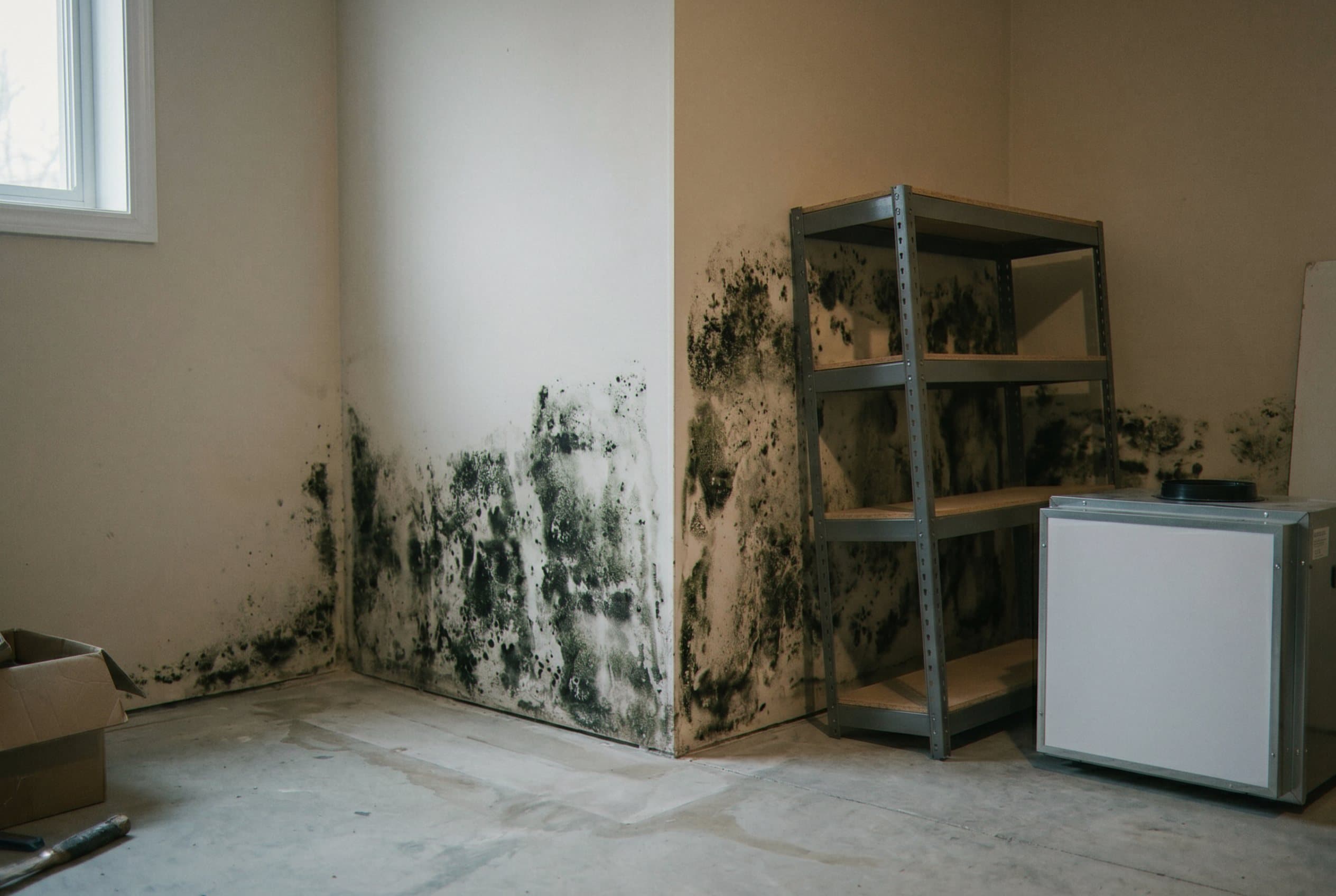
Mold never arrives on its own. It needs water, so it tags along behind a slow drip under a sink, a roof leak nobody spotted, or a basement flood that sat too long before the wood ever dried out. The first hint is faint. You press a wall and it gives a little, or a damp, earthy smell hangs around no matter how far you crack the windows. Maybe a patch of paint bubbles. Maybe a corner of the ceiling darkens a shade after every storm. By the time a real stain shows on the surface, the growth has usually spread under the flooring, behind the baseboard, and deep inside the wall cavity where no one can see it. We find the water first. Then we dry the space out and choke off the growth right at its root, so it has nothing left to live on.
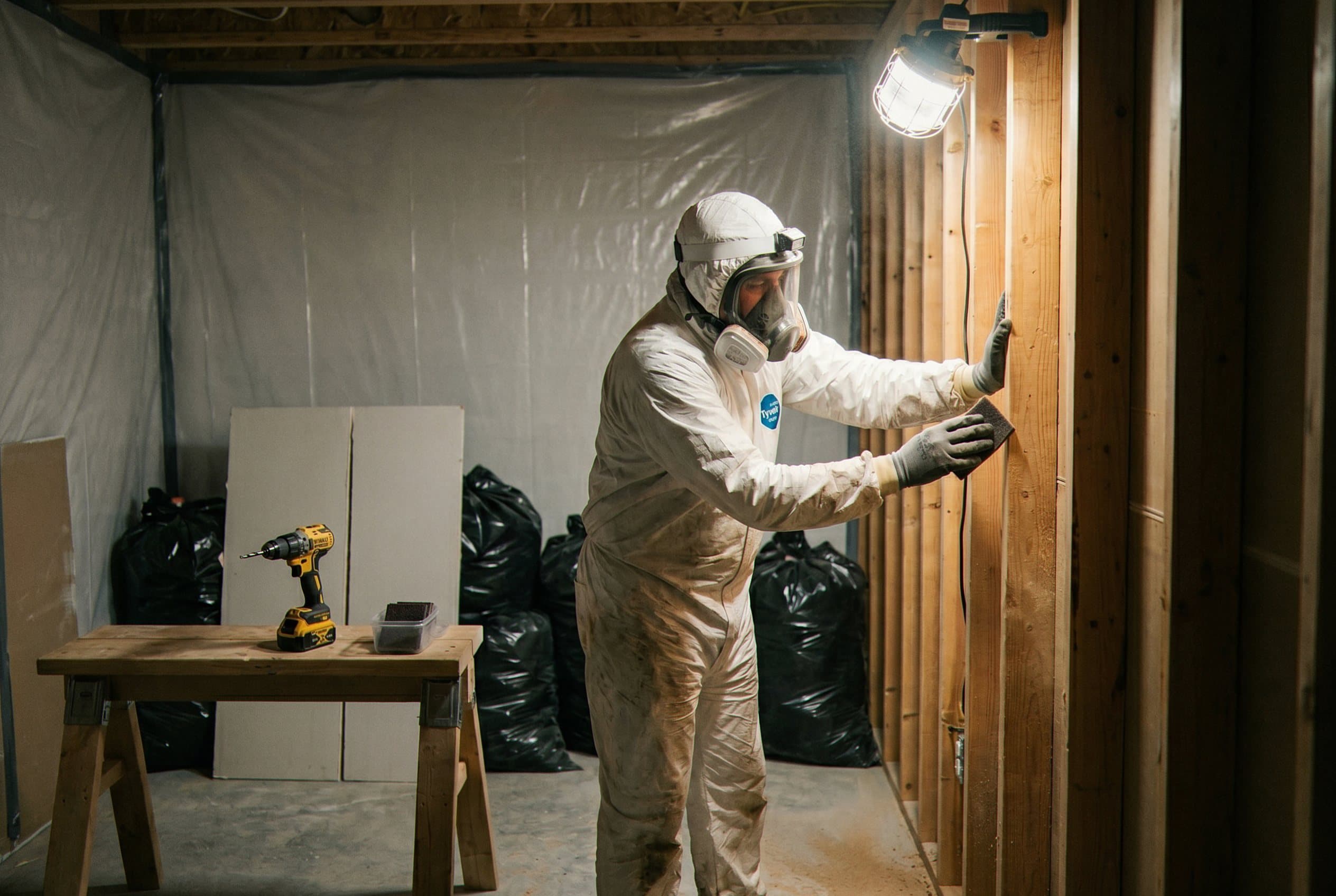
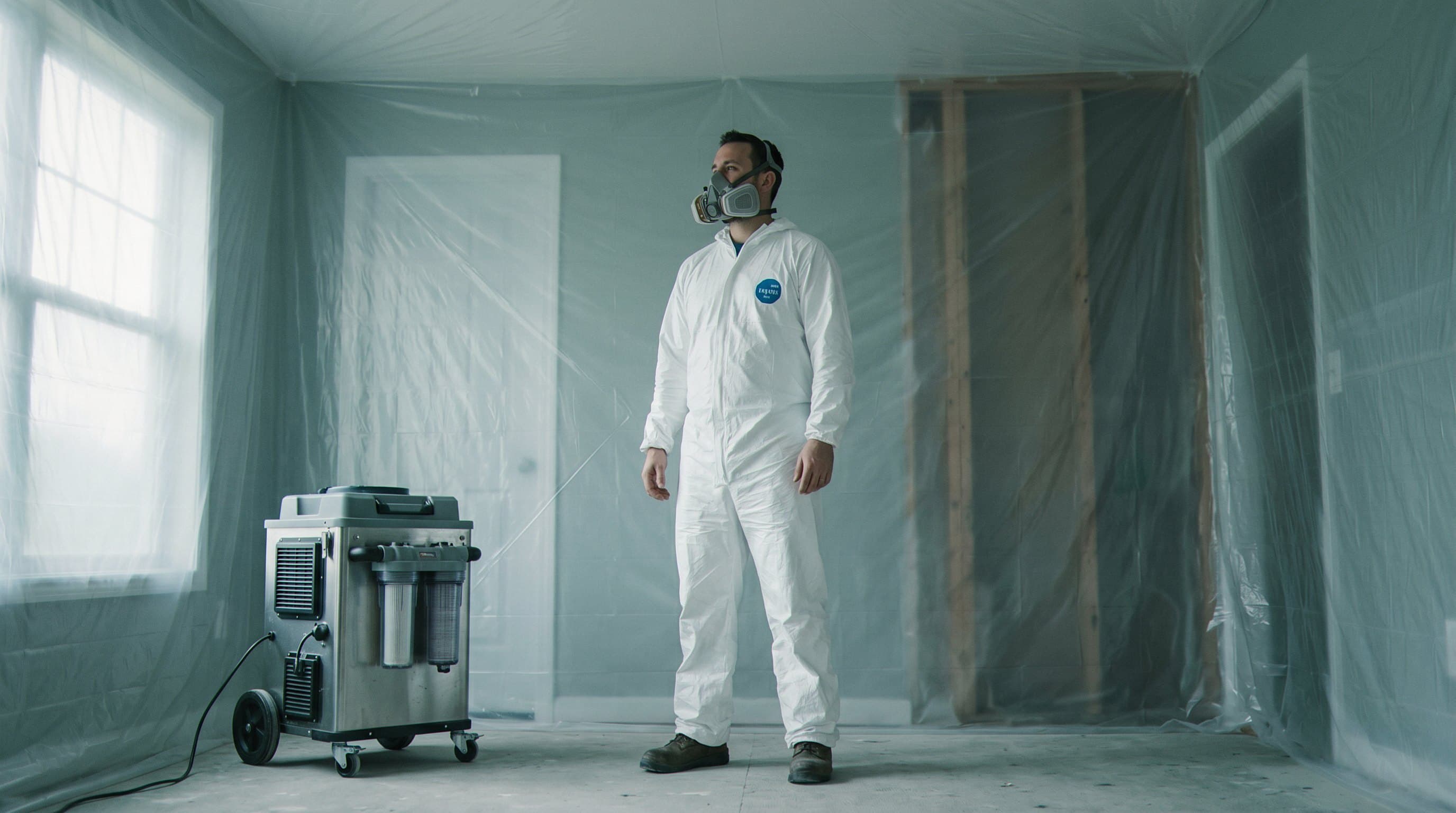
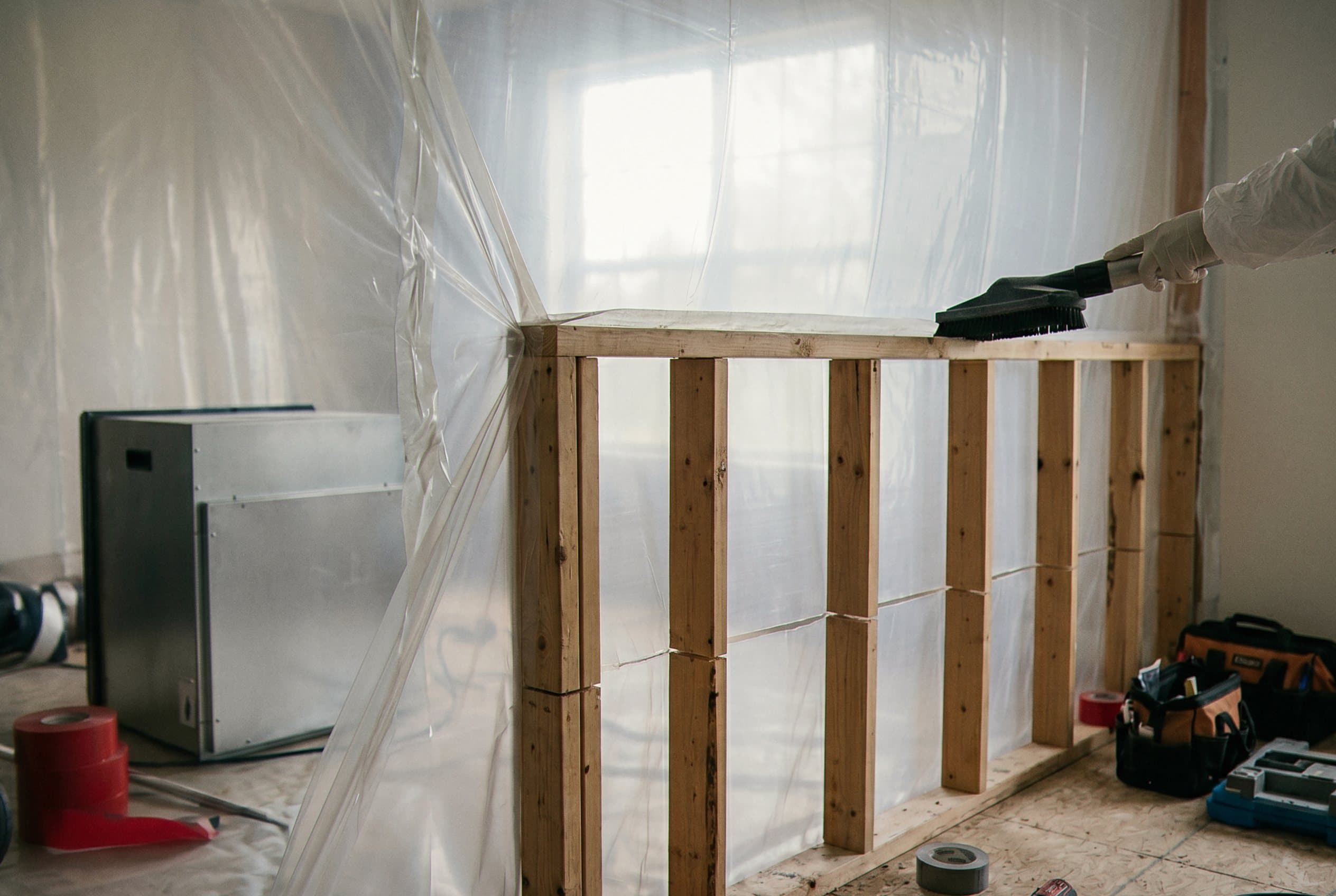
We begin at the source, not the stain. Strip the mold but leave the water that feeds it, and in a week or two the smell drifts right back. So we seal the room before anything else. That barrier keeps loose spores from drifting into the rooms where you cook and sleep, and we run a negative air machine to pull anything we stir up straight outside. Then we cut out the ruined material, treat the framing and surfaces that stay, and dry the cavity down to a safe moisture reading we take with a meter, never a guess. We run the air scrubbers until the space tests clean. Only then is the job finished. From the first sheet of containment to the last air test, we follow the cleanup standards set by the IICRC.
- We track down the hidden water feeding the mold, whether it is a buried leak or a damp slab, so fresh growth has nothing left to live on.
- We seal off the work area and run negative air, keeping spores out of the rooms where you cook, sleep, and breathe.
- We test the air and surfaces before and after, so you can see for yourself that the mold is actually gone.
- One crew handles the water and the mold from start to finish, with no handoff between trades and no finger pointing.
- Call us with what you are seeing, then we head your way to take a look in person.
We work across Farmington Hills and the wider Oakland County area week after week, so this ground feels familiar to us. We know how the older basements and slab homes around here trap damp long after a leak looks dry on the surface, and we know the spots where that hidden water likes to sit. After a hard winter, we see a frozen pipe split and soak a finished basement, then feed mold behind the drywall within days. That buried moisture is what lets the growth creep back once a rushed crew packs up and drives off. Call us. Our own people answer the phone, never a desk in some other state. If the problem turns out small, we say so. If it runs deep, we walk you through every step that clearing it for good will really take.
Do not sit on it. A musty smell that keeps drifting back is more than a nuisance. It means the mold is working deeper into the framing and into the air you breathe all day long. So call us. We will come look, tell you straight what we find, and clear it out for good.