Sewage Cleanup · Farmington Hills

Sewage Cleanup in Farmington Hills

When a sewage line backs up into your Farmington Hills home, the mess on the floor is the smallest part of the problem. The real danger is what lives in that water and how fast it spreads. We pick up the phone, send a crew straight to your address, and run the whole job from the first pump to the final sanitizing pass. You will hear from us at every step. You will know what we found, what we removed, and what it takes to put the room back together.

Free Quote

Free Sewage Cleanup quote.

We reply within 1 business hour. No spam, ever.

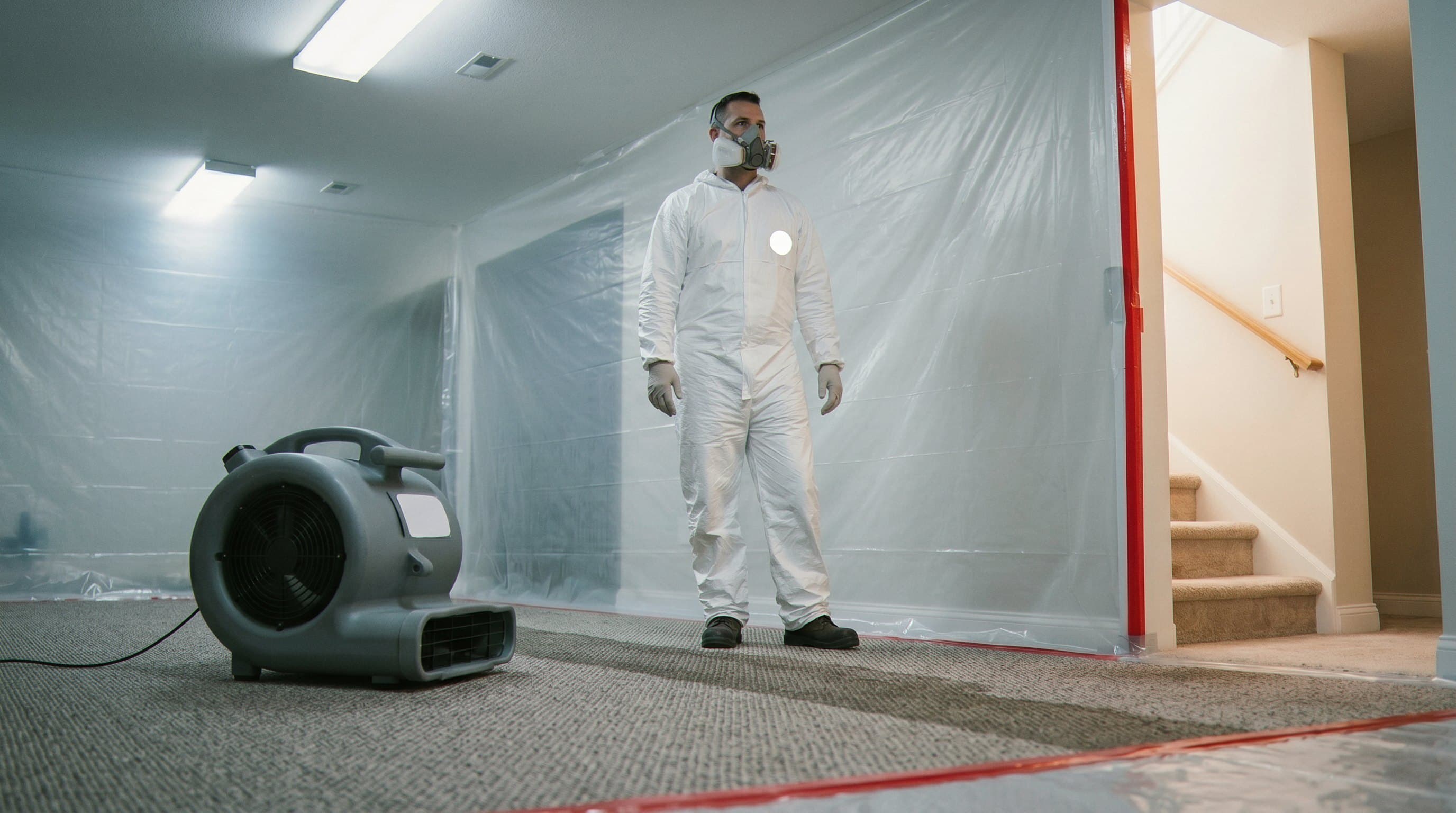
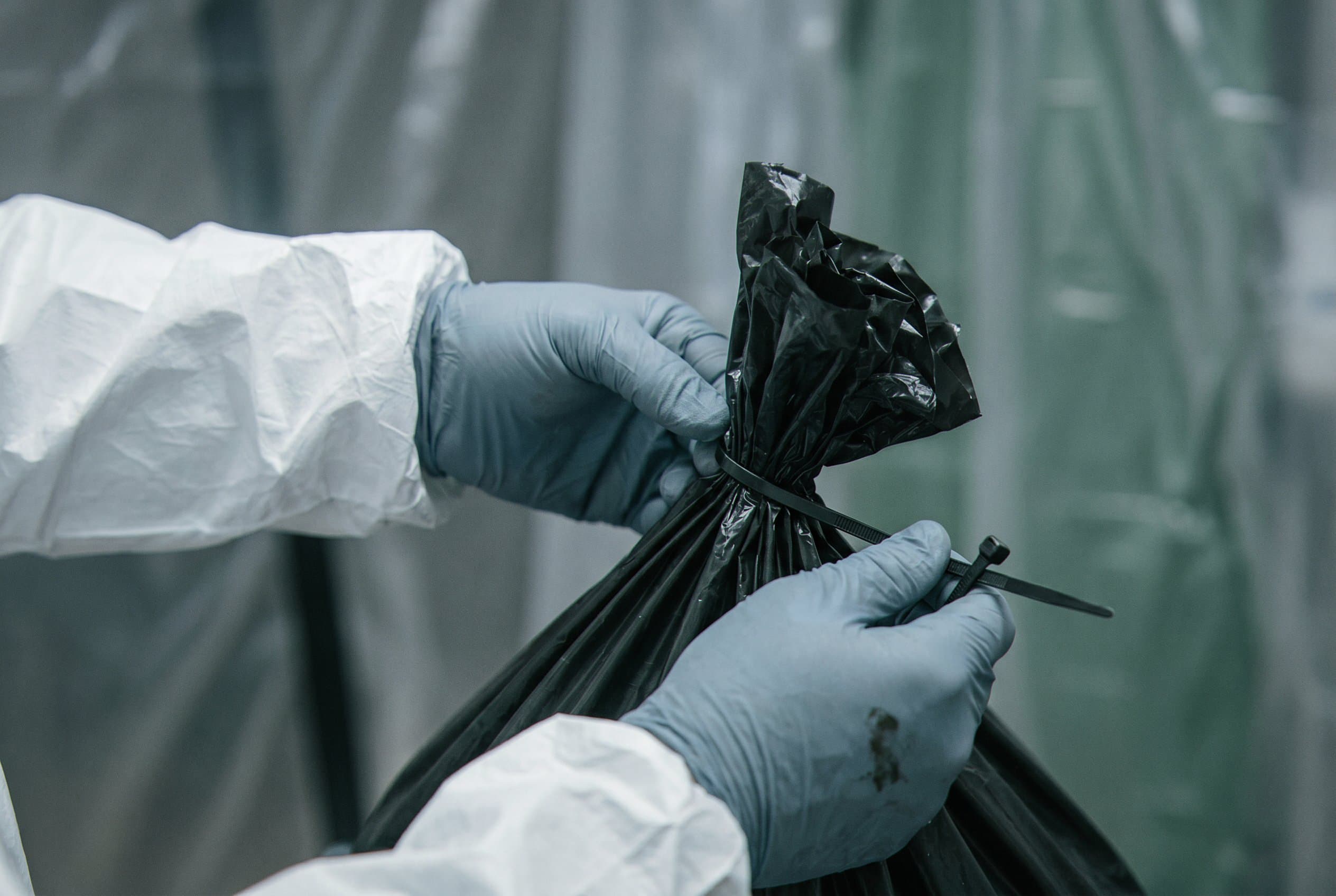
Crew in protective gear during cleanup.
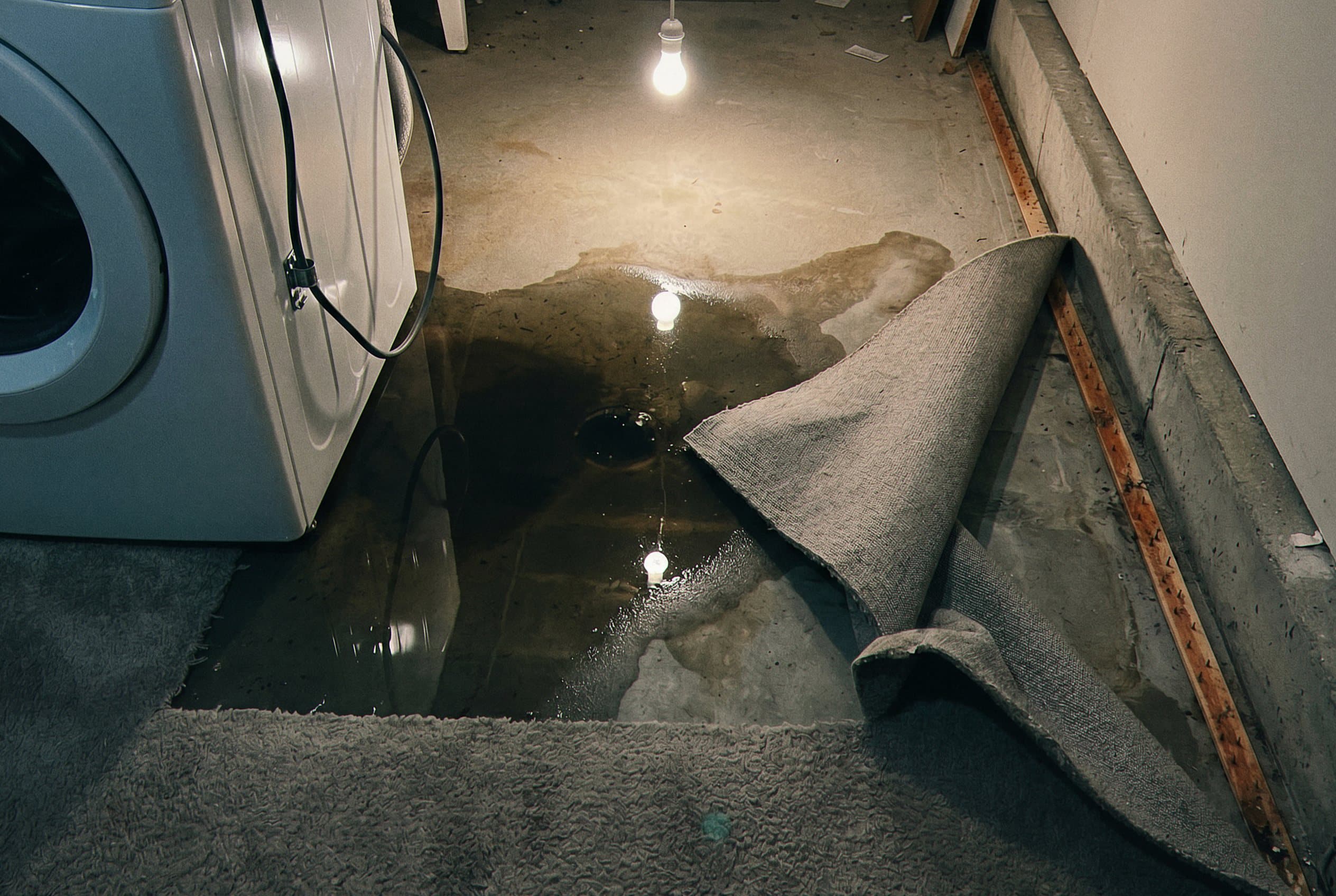
Bathroom flooded with sewage backup.
Contaminated water line showing backup.
What we do

What our crew does the moment we arrive

Sewage water carries bacteria and viruses you cannot see with the eye. When a line backs up into a basement, or a floor drain spills over onto a bathroom floor, that water spreads the contamination across every surface it reaches. It soaks into baseboards, subfloor, and the bottom edge of the drywall. So we treat the whole room as unsafe the moment we walk in. Our crew puts on protective gear, seals the space off from the rest of the house with plastic sheeting, and pumps out the standing waste before it sinks deeper into the floor and the framing behind the walls. We pull the hazard out first. Then we go to work making the room safe to use again. The smell alone tells you something is wrong. The real threat is what you would breathe and touch if that room sat for days.

We begin by finding where the backup started. Scrubbing a room does little while the source still flows. Often it is a clog far down the main line, or a city sewer that pushed water up the pipe during heavy rain. Next we pump out the dirty water. Then we haul away anything too soiled to save, like soaked carpet, the padding under it, and drywall that pulled the water up. We clean and sanitize every surface the waste reached, working to the standards the IICRC sets for jobs of this kind. Drying gear comes last. We run air movers and dehumidifiers until a moisture meter reads dry deep in the structure, not just dry to the touch.

  • We come fast when raw sewage is sitting in your home. Every hour it sits adds to the harm and to the cost of putting things right.
  • We seal the room off with barriers. The waste stays out of the clean rooms where your family eats and sleeps.
  • Soaked carpet, pad, and drywall leave the house with us. We do not dry them in place and hope for the best.
  • We sanitize the way the IICRC teaches. Not a fast mop and a splash of bleach.
  • We take moisture readings on every wet surface. You get to see the room is dry before we load the truck and go.
We treat a sewage backup as a health hazard first and a cleaning job second. That order is what keeps your family safe and your home sound.

Sewage damage grows worse the longer it sits. Bacteria keep multiplying. Foul odors sink deep into porous materials. A problem that began under one bathroom can creep into the framing, the insulation, and the air your family breathes each day. So we move fast. We never skip the parts you cannot see behind a wall or under a floor. By the time we pack up, the room is clean, dry, and ready for the next step. If the cleanup turns up damage that needs rebuilding, our crew can take on that work too. You deal with one team instead of three, which keeps the timeline tight and the stress off your plate.

If sewage has backed up inside your Farmington Hills home, do not wait it out and do not try to clean it yourself. Call us now. We will walk you through what to do and what to stay away from while you wait, and we will send a crew your way.
Materials

The Gear and Products We Bring to a Sewage Job

A sewage job needs gear built for waste, not the kit you would grab for a clean water leak. We bring trash pumps that move water thick with solids without choking on it. We bring wet vacuums rated for contaminated work, and that equipment never touches a clean water job. Plastic sheeting and zipper doors seal the room off. Negative air machines with HEPA filters pull the dirty air out of the space and vent it outside, so the rest of your Farmington Hills home stays clear of it. Our crew wears suits, gloves, boots, and respirators the whole time we are inside that barrier. None of it is for show. It is what keeps a problem in one bathroom from turning into a problem in every room you use.

On the cleaning side we work in stages. A rough pass lifts the heavy soil off every hard surface first. Then a disinfectant sits on that surface long enough to actually do its job, because a quick wipe kills far less than most people assume. We follow the dwell time the product calls for and the methods the IICRC teaches for waste contamination. Porous material is a different story. Carpet, pad, particle board, and soaked drywall get cut out and bagged rather than scrubbed, since no cleaner reaches bacteria that has already soaked deep into the fibers. Meters come last. A moisture meter tells us how wet the framing really is, and a thermal camera finds the damp patches hiding behind the finish, so the call to stop is one you can read off a number.

  • Trash pumps and waste rated vacuums that handle solids
  • Sealed containment with zipper doors and negative air machines
  • HEPA air scrubbers running the whole time we are inside
  • Moisture meters and thermal cameras that prove the room is dry
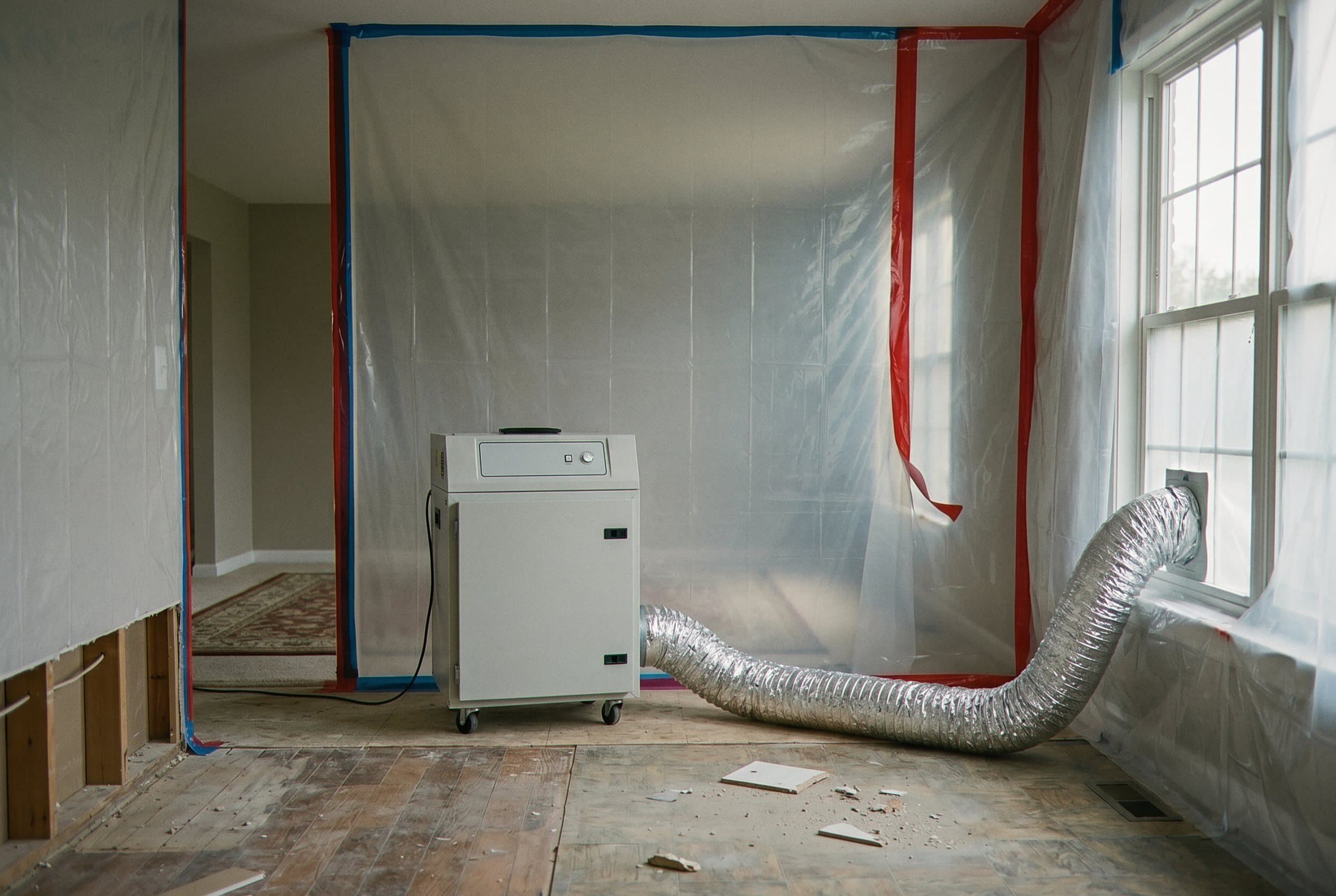
Air scrubber in containment zone.
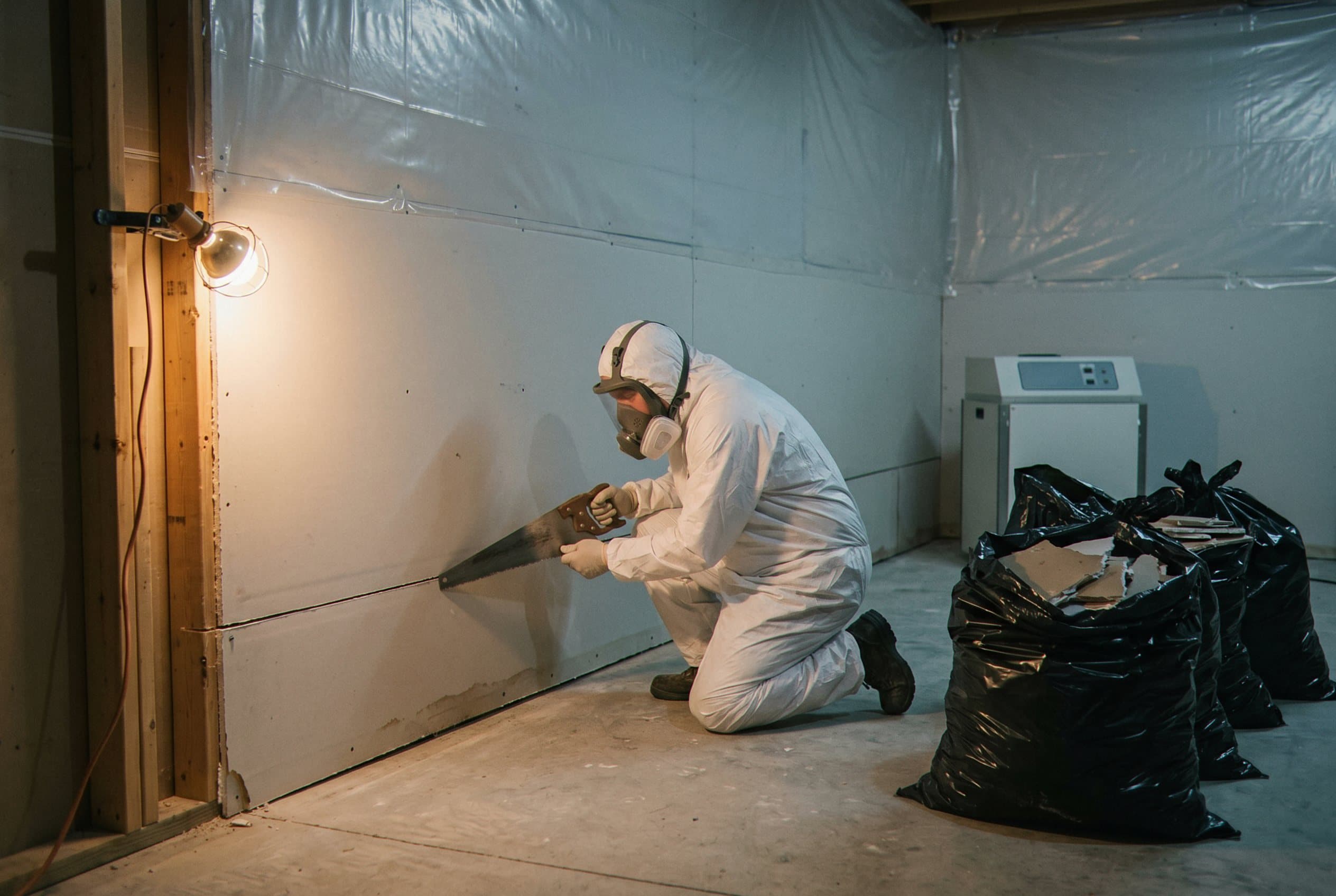
Crew removing contaminated materials.
What about the alternatives?

Your Options When a Sewage Line Backs Up

A backup is not a spill you can treat like any other mess. Here is how the usual choices hold up once waste water is sitting on the floor of a Farmington Hills home and the clock is running.

Call our sewage crew

We contain the room, pump the waste out, cut away what cannot be saved, sanitize every surface it touched, and then dry the space down to a meter reading you can see for yourself. That is the one path that handles the health risk and the structure together. Nothing gets skipped.

Recommended

Get a plumber on the blocked line first

A smart step when the main is still choked, since a clogged line will simply back up again. It fixes the cause and leaves the dirty room exactly as it is.

Acceptable

Rent a wet vacuum and pull the water yourself

It moves standing water. It sanitizes nothing at all, and it puts you in a sealed room breathing the very air our crew wears a respirator to keep out of their lungs.

Acceptable

Bag the soaked items and wash the hard floor

Fair enough for a small overflow of clean toilet water you caught in the first minutes. Against raw waste it stops well short of safe.

Acceptable

Pour bleach on the floor and call it finished

Bleach on a wet porous surface does very little. The soaked pad under the carpet and the wall cavity behind the base keep holding bacteria for weeks after the floor in front of you looks perfectly clean again.

Skip

Dry the carpet out and lay it back down

Carpet and pad that took on sewage never come back clean. Putting them back locks the odor and the bacteria into the room for good.

Skip
How it goes

From quote to walk-on, fast.

01

Your inquiry

Call or send the short form with what is going on at your place. A sentence or two is plenty for the first step.

02

We talk it through

We go over the situation on the phone, ask the questions that matter, and tell you what we would do next.

03

A clear plan

You get a plain-language rundown of the work, the order it happens in, and what to expect on the day.

04

The work gets done

Our crew shows up when we said, does the job, and walks you through the result before leaving.

Before you book

The Questions Owners Ask Us About Sewage

A backup brings a lot of worry at once. These are the questions we hear most from owners around Farmington Hills and the rest of Oakland County.

Is it safe to stay in the house?
That depends on where the water went and how far it spread. If the backup sits in a basement or a spare bath, we can seal that room and keep you out of it while we work. If it reached a kitchen or the main living space, we will tell you straight and help you plan around it.
How fast do you need to be here?
Same day matters a great deal. Bacteria multiply in warm standing water, and every hour the waste sits it works further into the pad, the subfloor, and the bottom edge of the wall. Call us and we will get a crew headed your way.
Why did this happen in the first place?
Around Farmington Hills we see three causes over and over. Tree roots work their way into an older clay lateral. Grease and wipes build up until the line chokes. Or a heavy spring storm loads the city main and pushes water back up through your basement floor drain.
Do you have to cut out my drywall?
Only the part that pulled water up. Waste water wicks into the bottom edge of a wall, so we usually cut a clean line above the wet mark and leave the rest of the sheet in place. The meter readings decide that line, not a guess.
Will the smell come back later?
Not once the source is gone. Odor after a backup comes from material that is still holding waste, and it is almost always a pad, a hidden cavity, or a strip of soaked base. When those come out and the space dries fully, the smell leaves with them.
How does this work with my insurance?
Many policies treat a sewer backup differently than a broken supply line, and some need a rider added for it. We photograph the loss as we find it, log every moisture reading, and hand you a clean record so your adjuster has what they ask for.
Aftercare

Keeping the Line Clear After We Leave

Most backups give a warning before they arrive. A drain that gurgles, a toilet that empties slow, a floor drain that smells on a wet week. Those are all the same message in different words. Once your room is clean and dry again, a few steady habits keep the line moving and buy you time to act before waste ever reaches the floor a second time. We will tell you what we saw in your line while we were down there working.

  • Have the main line scoped with a camera every couple of years, and sooner if your street is lined with mature trees, because roots find the joints in old clay pipe and squeeze in at the seams.
  • Keep grease out of the kitchen sink. Let it cool in a can and drop it in the trash.
  • Flush waste and toilet paper only. Wipes sold as flushable do not break down in the line, and they sit behind a large share of the backups we pump out every year.
  • Ask a plumber about a backwater valve on the main. It closes when the city line loads up during a heavy Michigan downpour and keeps that water out of your basement.
  • Test the sump pump a few times a year and keep the pit clear of debris, since a pump that quits adds water to a line that is already struggling to keep up.
  • Store what you care about on shelves rather than the basement floor. A few inches off the concrete is the difference between a scare and a real loss.
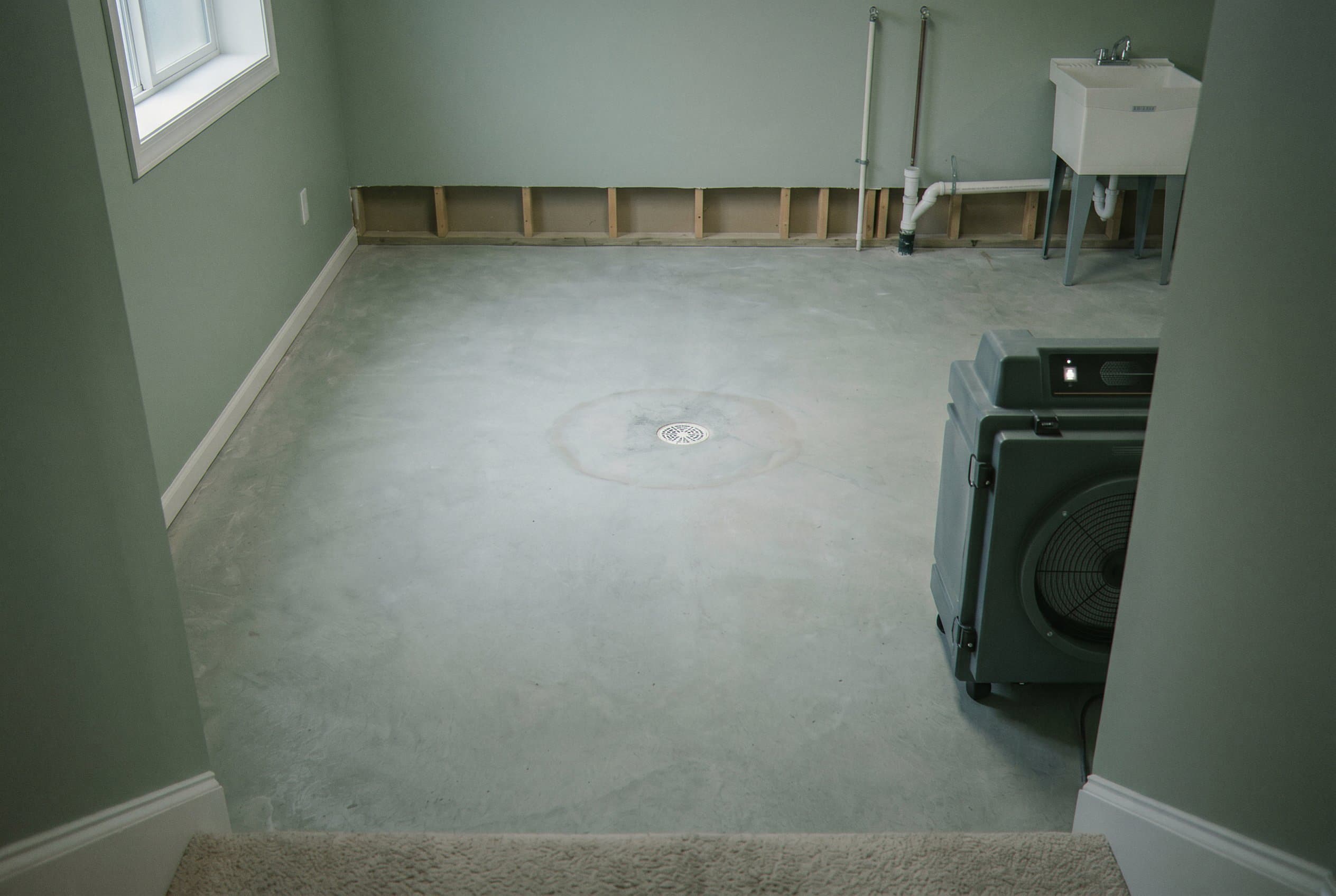
Sanitized bathroom ready for repairs.
FAQ

Sewage cleanup questions, answered

How fast can you get to my Farmington Hills home?
Someone answers whatever time it is. We will not put a minute number on it, because the honest version is that a heavy rain night has every restoration crew in Oakland County out at once. What we will do is tell you when we are leaving, and get your water shut off while you wait.
What should I do first?
Shut the main valve if you can reach it without wading. Leave the breaker panel alone unless you can get to it dry. Photograph the rooms before anyone starts carrying things out, and lift furniture off wet carpet if it is light enough to move.
Will you work with my insurance?
We keep the file adjusters ask for. Daily moisture logs, photographs by room, and a written scope of everything removed and everything dried. We talk to the adjuster ourselves. We will not tell you what your policy covers, because that is your carrier's determination and not ours.
How long does the drying run?
Three to five days is typical. Basement concrete, and the framing behind finished walls, hold water longer than open studs do, so a finished lower level can run past that. We take readings daily against the IICRC dry standard, and the equipment leaves when the material reads dry rather than when it looks dry.
Is mold going to be a problem?
It becomes one after roughly 24 to 48 hours of material staying wet. That number drives everything we do on the first day. Handled quickly, most water losses never turn into a mold job at all.
Ready when you are

Let's make your next steps easier

Tell us what is going on at your Farmington Hills home and we will walk you through the options. One call or one short form is all it takes.

Call (248) 479-3871Make your inquiry
CallContact us