Burst & Frozen Pipe Cleanup · Farmington Hills

Burst and Frozen Pipe Cleanup in Farmington Hills, MI

A burst pipe can soak a floor in minutes. We answer fast, stop the water, and dry your home back out.

Free Quote

Free Burst & Frozen Pipe Cleanup quote.

We reply within 1 business hour. No spam, ever.

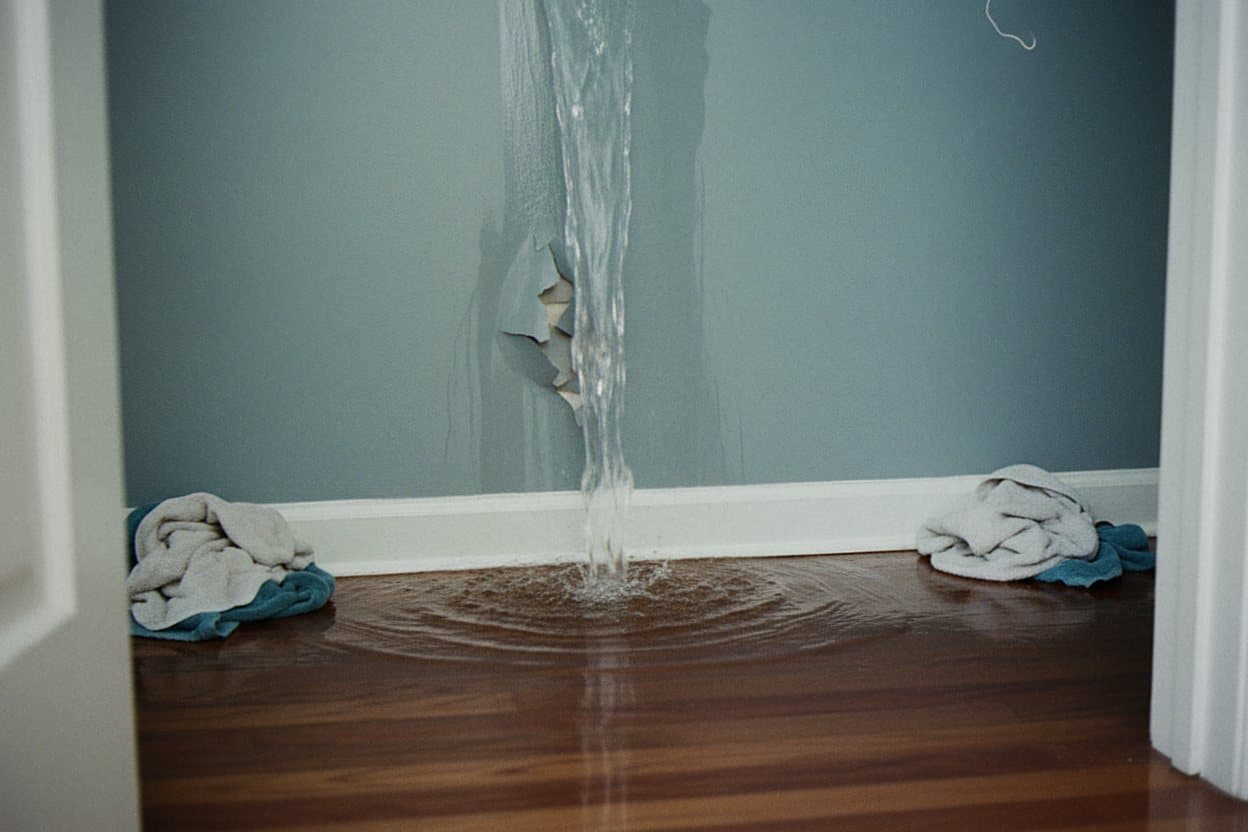
Burst copper pipe spraying water.
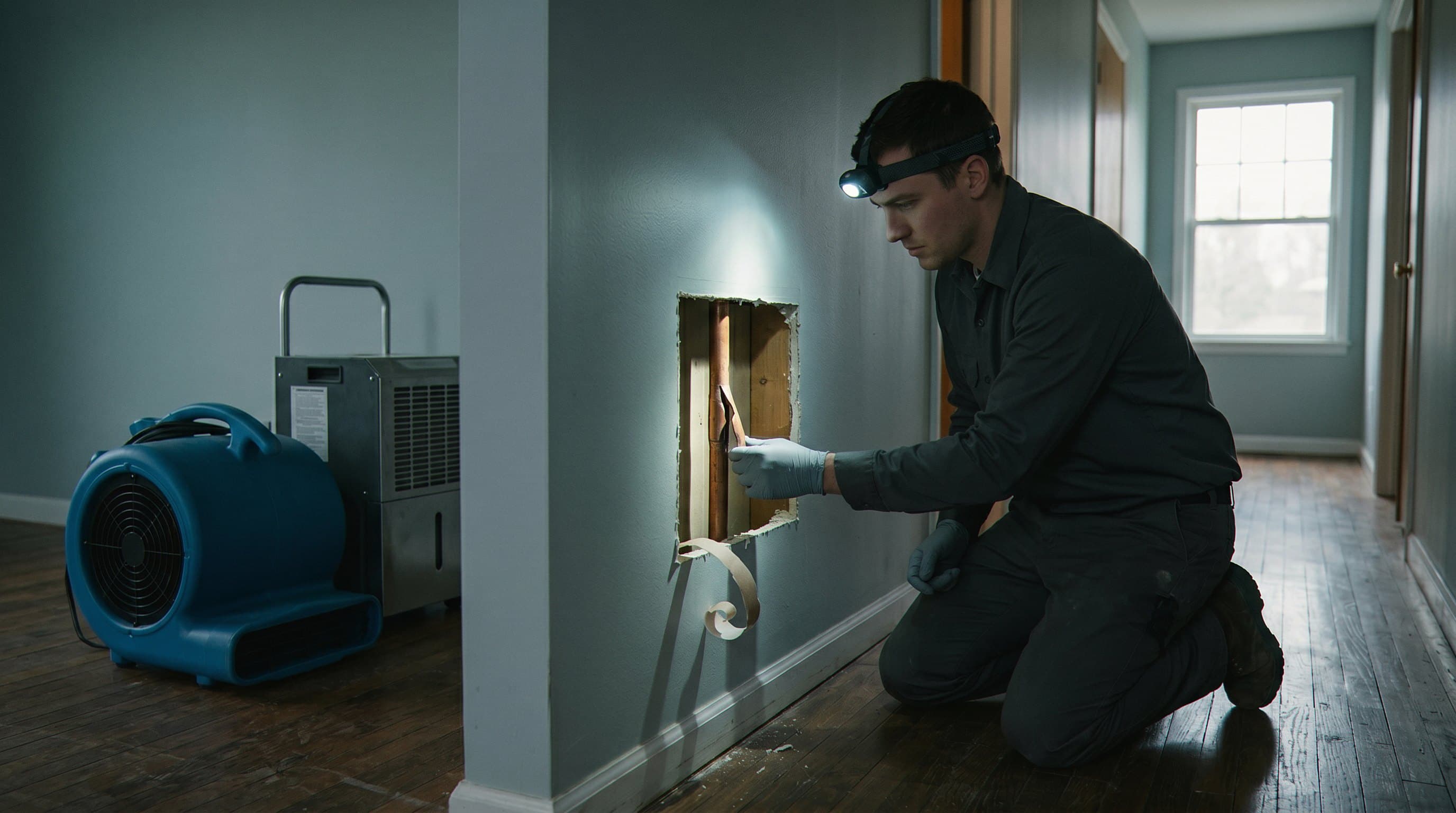
Wall cavity with water damage.
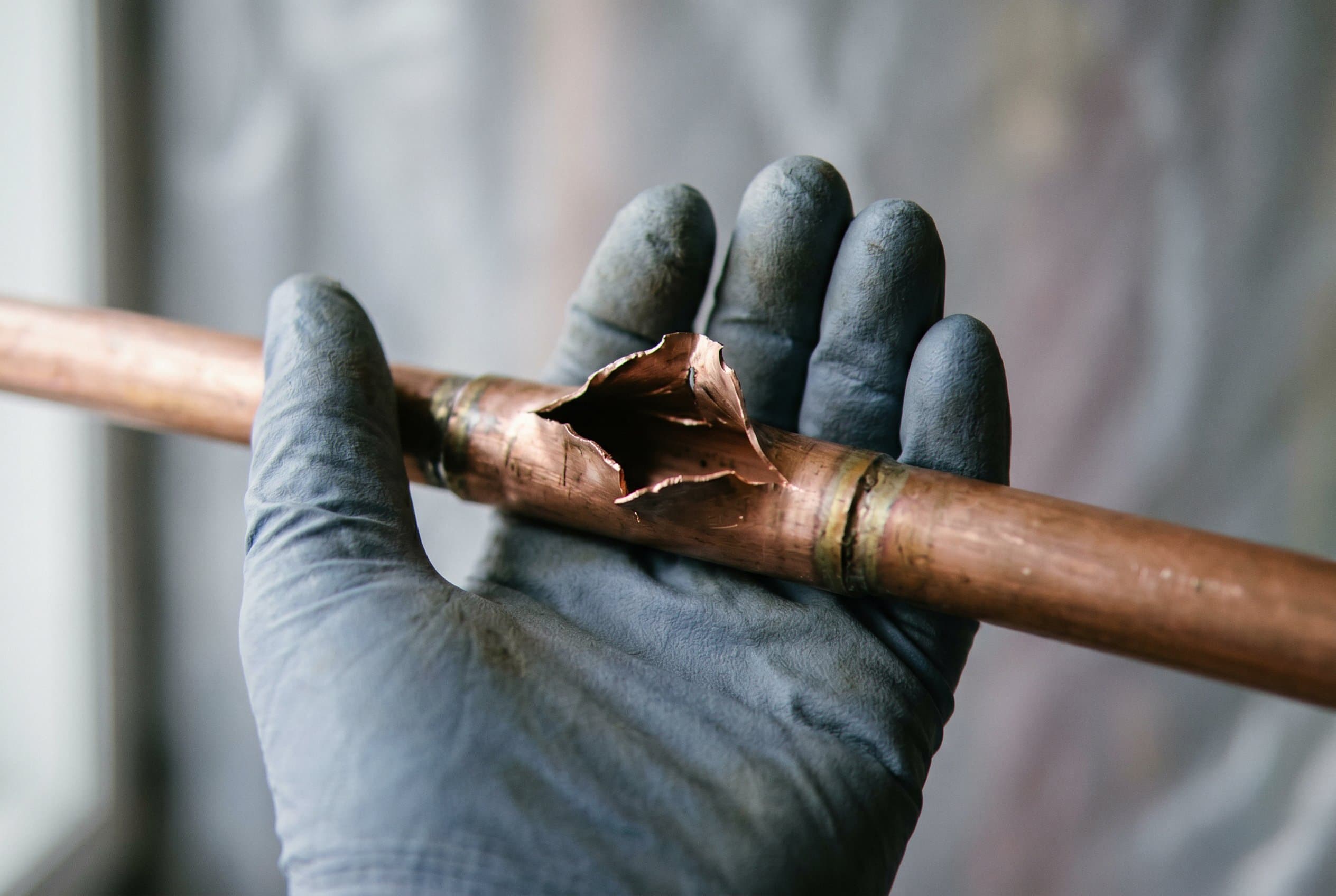
Fractured copper pipe at joint.
What we do

We stop the leak and dry your home out

A burst pipe never picks a kind moment. It lets go on the coldest night of winter, or while you are away for a long weekend with the heat turned down, and the water runs free the whole time. By the time anyone notices, it has crossed the floor and slipped down into the rooms below. A clean break above a finished ceiling can drip for hours and bring the plaster down in heavy sheets. Every hour it sits, it works deeper into your drywall, your trim, and the subfloor under your feet. So we move. The moment you call, our crew finds the line that failed, shuts the flow, and starts pulling water out of your Farmington Hills home before it reaches one more room. Then our structural drying work takes over and reaches the wet framing you cannot see. Start fast, lose less.

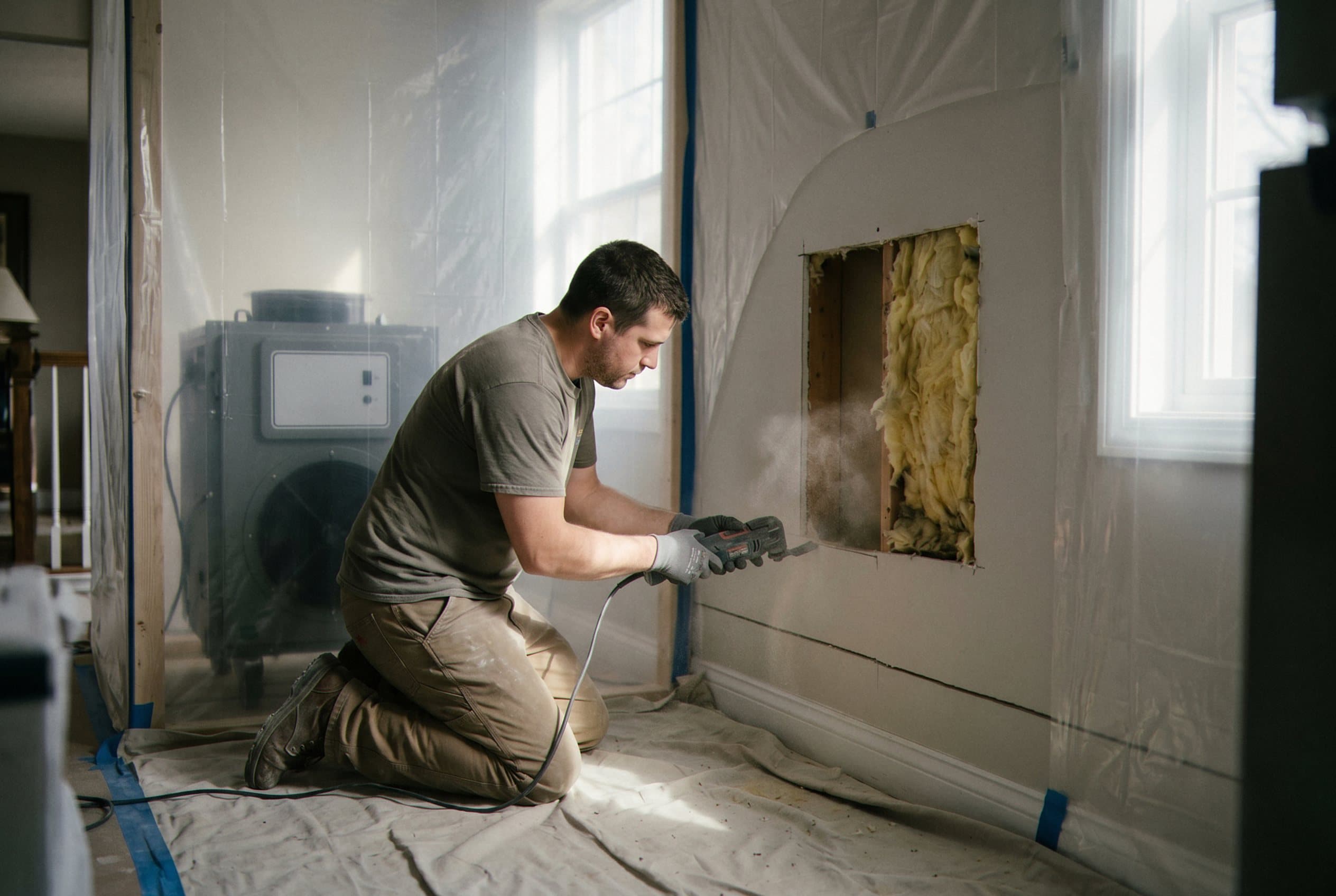
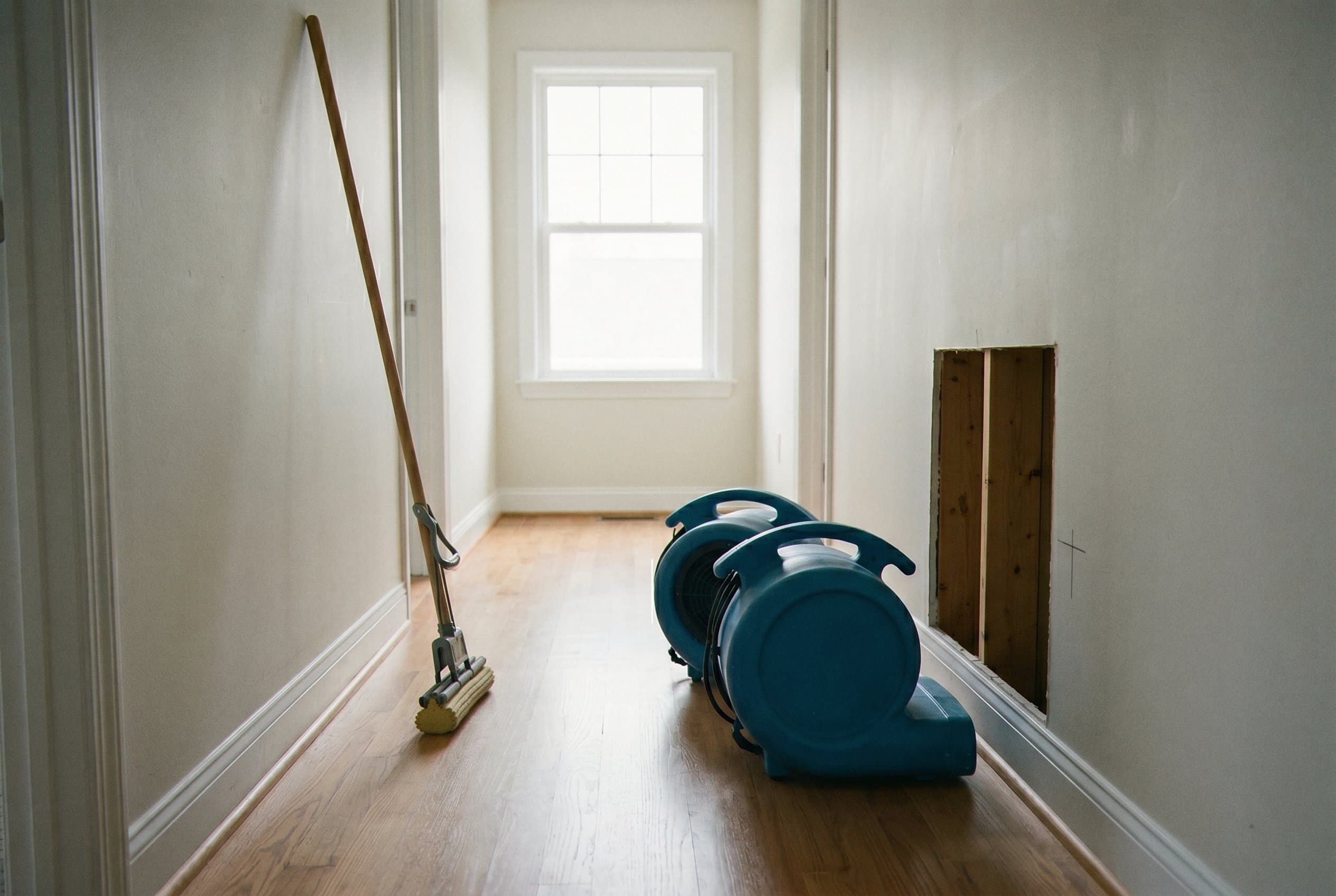
Cleanup after a break runs in a clear order, and we work it the same way on every job. First we close the water at the main valve. Then we hunt down the line that gave out, whether it cracked in a hard freeze or simply split at a tired old joint after years of quiet use. We pull the standing water, lift the soaked baseboards, and open small vents along the wall so the water trapped inside can drain out. We also clear the water from inside the kitchen cabinets and the wall cavity behind them, since that is exactly where it loves to hide. Next come the air movers and dehumidifiers. We set them across the rooms that took on water and let them run. Each day we read the moisture in the walls and floors, and the framing gives up a little more on every pass. We stop only when the meters read dry. Not when the surface feels dry to your hand.

  • Our line is open at any hour, because a burst pipe will not wait.
  • We trace the break to its source instead of opening walls on a hunch.
  • We pull water from floors, walls, and cabinets before it creeps any further.
  • We run daily moisture readings until your framing and subfloor read fully dry.
  • One local crew handles the water, the drying, and the repair that follows.
Stop the water in minutes, dry the structure for days, and mold never gets the chance to start.

We live and work right here in Farmington Hills. So we know what a hard Michigan winter does to the pipes in a house, year after year. The lines that run through an unheated garage, or along a cold outside wall, are the ones that freeze and split first. It usually happens in the small hours, when the house is asleep and no one is there to catch the leak early. We have dried out homes on these same streets, so the layout of a local basement holds few surprises for us. When you call, you reach our own crew. Not a desk in another state. Most days we can be at your door within hours of your first ring, ready to stop the water and begin the dry out on the same visit. The same crew handles the repair too, so you are not left hunting for a second company once the walls are open.

If a pipe just let go, close the water at the main and call us right now. We will walk you through the next steps on the phone while our crew loads the truck and heads your way. The sooner we get there, the less of your Farmington Hills home the water can claim.
Materials

What fails, and what we put back

Most breaks we open up in Farmington Hills trace back to one of a few pipe types. Copper is the common one in homes built through the middle of the last century, and it splits clean along its length when the water inside it freezes. Older galvanized steel rusts from the inside until the wall of the pipe goes thin, then it weeps at a joint or lets go under normal pressure. Flexible plastic supply lines tucked under a sink or behind a toilet fail a different way. The nut cracks, or the braided sleeve frays, and the line sprays until someone walks in and finds it. Each one leaves a different mark in the wall. Reading that mark tells us how far the water traveled before you ever saw a stain.

What we put back depends on what you have and where the run sits. On a short section we cut out the damaged length and solder in fresh copper. On a longer run, or a line that has already failed twice, we often move to flexible plastic tubing, which handles a cold snap better because it can swell a little instead of splitting. In a garage wall or a crawl space we add sleeve insulation over the new pipe and seal the gaps where cold air was pouring in. Then we deal with the wet building material around it. Soaked insulation gets pulled, since it holds water and never dries in place. Drywall that stayed wet comes out to a clean line. Solid framing stays and dries.

  • Copper splits along its length when the water inside it freezes.
  • Old galvanized steel thins from the inside and gives out at a tired joint.
  • Braided supply lines under a sink crack at the nut and spray for hours unseen.
  • Soaked insulation never dries in place, so we pull it and set new in behind the repair.
Air movers drying wall framing.
Dried wall cavity ready for repair.
What about the alternatives?

Ways people handle a burst pipe

Once the water stops, the next choice decides how much of your house you keep. Here is how the common paths actually play out in a Farmington Hills home.

Shut the main, then call us right away

The fastest way to cap the damage. The water stops, we roll in with extraction gear, and the wet area stays small enough to dry instead of rebuild.

Recommended

Full extraction with monitored structural drying

We pull the standing water, open the wall cavity, and run air movers and dehumidifiers until the meter readings say the framing is dry. Mold never gets a start.

Recommended

Replacing the whole failed run instead of patching the split

It takes more time on the front end. On a line sitting in a cold wall or an unheated garage it is worth doing, because a patch in that spot tends to buy you one winter and nothing beyond it.

Acceptable

Opening the wall yourself to look

Fine if you cut one small access hole and stop there. It turns costly when someone opens the whole wall, chases the stain in the wrong direction, and still misses the water sitting under the floor.

Acceptable

A shop vacuum and a few box fans

That moves surface water and dries the top of the carpet. Under it, nothing changes. The wet insulation, the wall cavity, and the subfloor stay soaked, and that is where the real damage lives.

Skip

Waiting to see if it dries on its own

Trapped water in a closed wall stays wet for weeks. That is more than enough time for mold to take hold on the paper face of the drywall and in the framing right behind it.

Skip
How it goes

From quote to walk-on, fast.

01

Your inquiry

Call or send the short form with what is going on at your place. A sentence or two is plenty for the first step.

02

We talk it through

We go over the situation on the phone, ask the questions that matter, and tell you what we would do next.

03

A clear plan

You get a plain-language rundown of the work, the order it happens in, and what to expect on the day.

04

The work gets done

Our crew shows up when we said, does the job, and walks you through the result before leaving.

Before you book

Straight answers before you call

People hold back for the same handful of reasons after a pipe breaks. Here is what we tell them on the phone.

The water already stopped. Do I still need anyone?
Usually yes. The flow stopping only means the pipe drained or someone closed a valve. The water that already left that pipe is sitting in your floor and your walls right now, and it does not evaporate out of a closed cavity on its own. A quick moisture reading tells us whether you have a real problem or a mop job. We would rather come check and find nothing than meet you again in three weeks over a mold issue.
It is late at night. Should I wait until morning?
Call now. The first few hours matter more than any other part of the job. Water spreads out across a floor and drops through every gap it can find, so by morning it can reach rooms that were dry when you went to bed. We answer at night because night is when most pipes let go.
Can I just dry it out myself?
You can move surface water, and that does help. What you cannot do without meters is see the water inside a wall cavity or under the subfloor. That is the water that feeds mold. We bring the gear that reads it and the gear that pulls it out, and we keep reading until the numbers come down and stay down.
Will you have to tear out my whole wall?
Almost never. We open the smallest area that lets dry air reach the wet framing, often just a strip low on the wall behind where the baseboard sits. We take out only material that stayed soaked or lost its strength. Everything solid stays put and dries in place.
How long does the drying take?
Most homes run several days on equipment. The exact number depends on how long the water ran and what it soaked into. We check moisture readings every day and show you what they say. When the framing and the subfloor read dry, the equipment comes out. We do not stretch it, and we do not cut it short.
Do I have to hire a second company for the repair?
No. The same crew that dries your home puts it back together. We hang and finish the drywall, set the trim back, and match the paint as close as the room allows. You deal with one crew from the first phone call to the last coat.
Aftercare

Keeping the next Michigan winter from doing this again

Farmington Hills winters run long, and the cold snap that follows a January thaw is what breaks the most pipes. The lines at risk are the ones that never feel house heat. Think of the run through an unheated garage, the pipe crossing a crawl space, the supply along an outside wall in an older ranch off Twelve Mile, and the hose bib on the back of the house. A couple of hours of work in the fall spares you that two in the morning phone call in February. When we wrap up a repair we walk the house with you. We point out the other spots that share the same weakness, because a home that broke one pipe usually has two or three more waiting their turn.

  • Pull the garden hose off every outside spigot before the first hard freeze.
  • Wrap sleeve insulation around any pipe that runs through the garage or a crawl space.
  • Seal the gaps where cold air blows in near a supply line. Moving cold air freezes a pipe far faster than still air does.
  • Open the cabinet doors under a kitchen or bath sink on an outside wall when the overnight low drops hard.
  • Let one faucet run a thin stream on the coldest nights so the water in that line keeps moving.
  • Find your main shut off valve now and turn it once, so you know it moves freely before you ever need it.
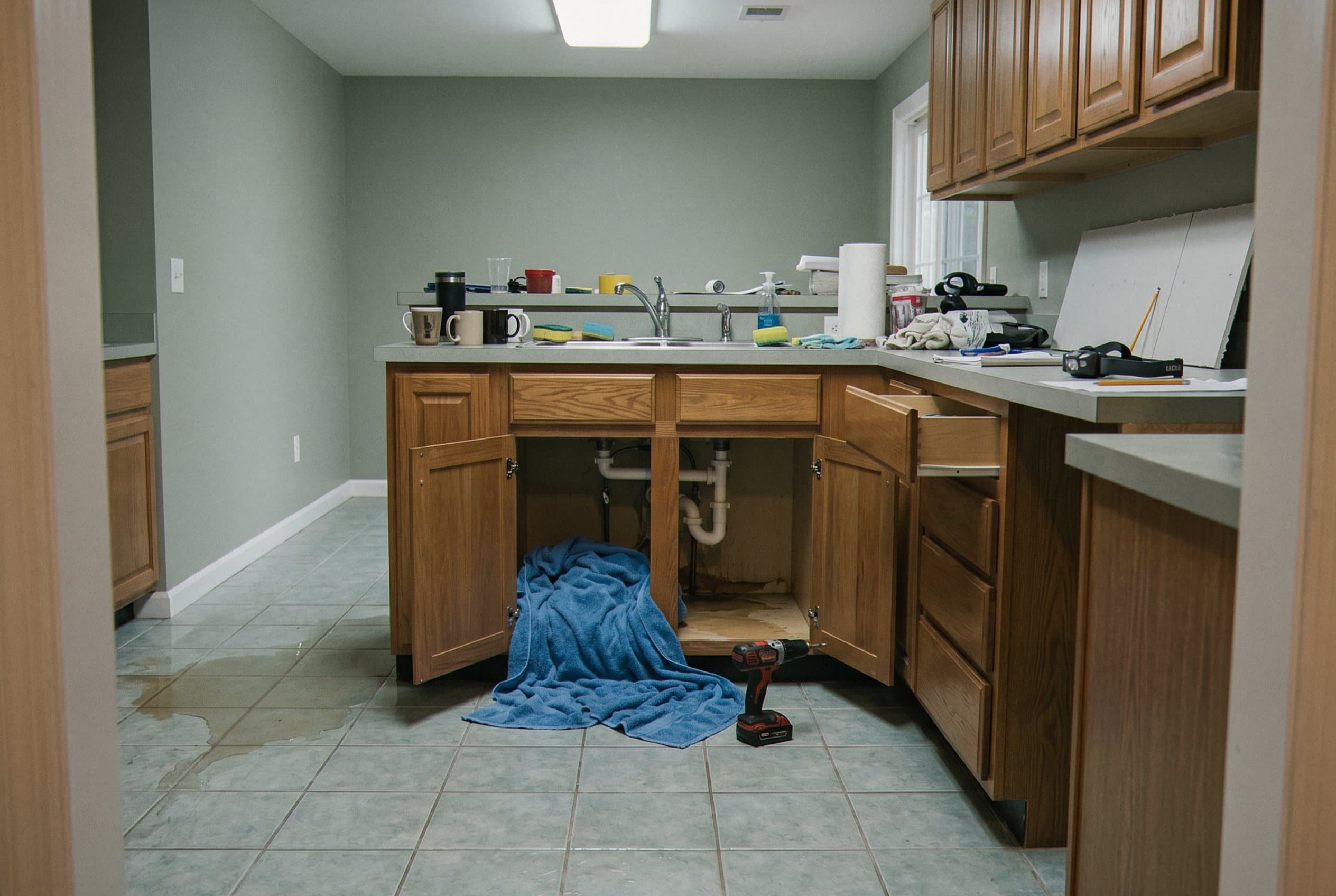
Kitchen cabinet with pipe damage.
FAQ

Burst pipe questions from Farmington Hills owners

How fast can you get to my Farmington Hills home?
Someone answers whatever time it is. We will not put a minute number on it, because the honest version is that a heavy rain night has every restoration crew in Oakland County out at once. What we will do is tell you when we are leaving, and get your water shut off while you wait.
What should I do first?
Shut the main valve if you can reach it without wading. Leave the breaker panel alone unless you can get to it dry. Photograph the rooms before anyone starts carrying things out, and lift furniture off wet carpet if it is light enough to move.
Will you work with my insurance?
We keep the file adjusters ask for. Daily moisture logs, photographs by room, and a written scope of everything removed and everything dried. We talk to the adjuster ourselves. We will not tell you what your policy covers, because that is your carrier's determination and not ours.
How long does the drying run?
Three to five days is typical. Basement concrete, and the framing behind finished walls, hold water longer than open studs do, so a finished lower level can run past that. We take readings daily against the IICRC dry standard, and the equipment leaves when the material reads dry rather than when it looks dry.
Is mold going to be a problem?
It becomes one after roughly 24 to 48 hours of material staying wet. That number drives everything we do on the first day. Handled quickly, most water losses never turn into a mold job at all.
Ready when you are

Let's make your next steps easier

Tell us what is going on at your Farmington Hills home and we will walk you through the options. One call or one short form is all it takes.

Call (248) 479-3871Make your inquiry
CallContact us