
We find the leak your house keeps hidden
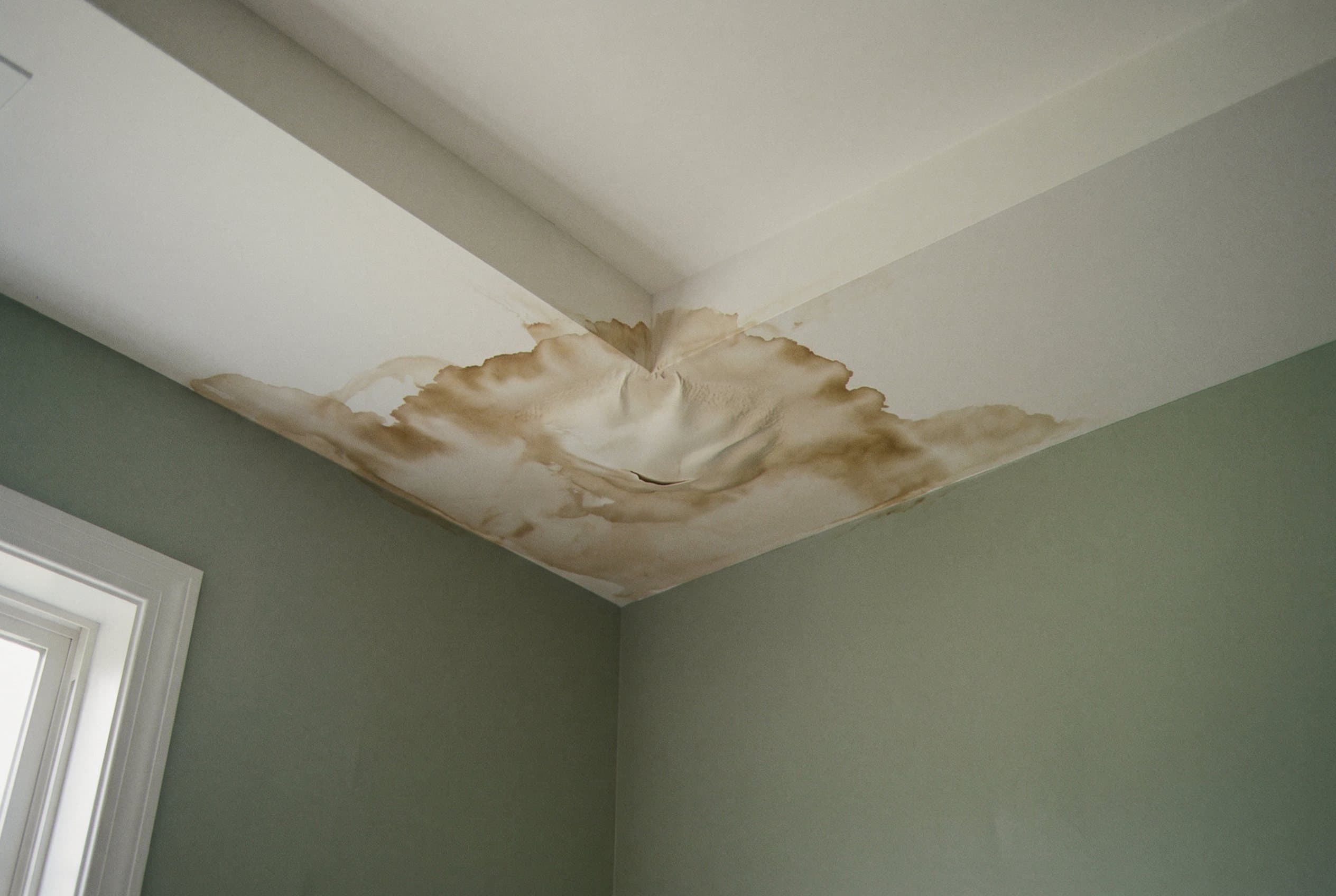
A hidden leak rarely shows where it starts. Water slides along a pipe, drips onto a joist, then soaks through a ceiling two rooms away from the actual break. The stain you see is a clue, not a map. Open the wall right under it and you often meet dry framing and a patch that fixes nothing while the water keeps running somewhere else. Time matters here. Every hour the leak stays hidden, more wood swells, more insulation packs down wet, and more drywall gives up its strength. We work the problem in reverse. We read what the water is doing across the whole house, follow the damp grain of the framing, and trace that trail back to the one spot where the water leaves the pipe. We have tracked a stain in a hall closet back to a pinhole in a copper line above the kitchen, a full room away from the only wet spot anyone could see. Then we stop guessing and start at the source.
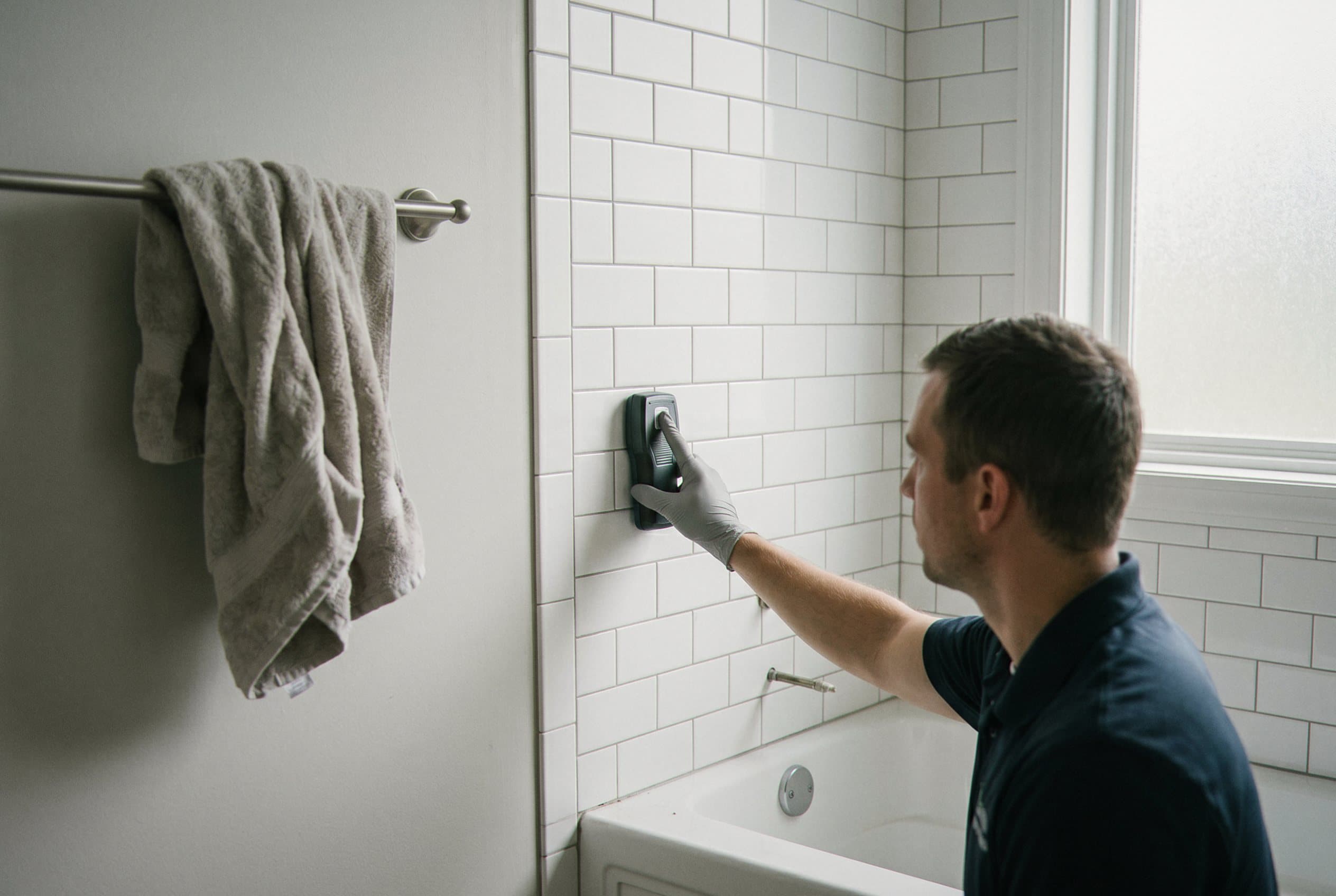
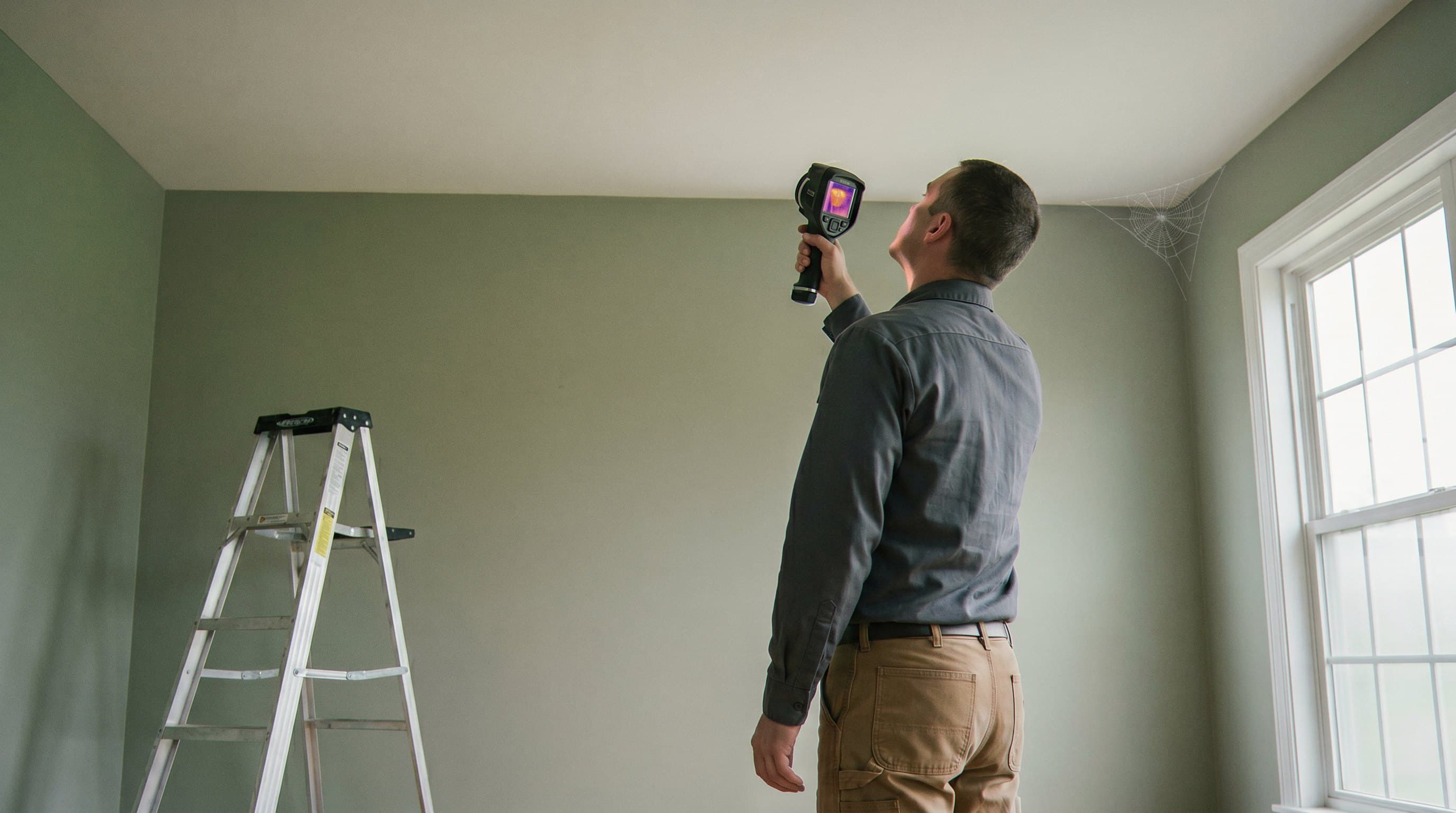
Finding the source takes the right tools and a slow, steady method. We start at the meter. With every fixture shut off and every faucet closed, a dial that still creeps tells us the supply line is losing pressure behind a wall or under the floor. Next we sweep the floors and walls with a thermal camera, because moving water leaves a cool path the lens can pick out long before your eye can. Moisture meters come after that. We press them to spots that look perfectly fine yet sit soaked an inch under the surface. Room by room, the readings tighten. They climb near the leak and fall away from it, until they settle on one fitting or one short run of pipe. When the camera and the meter point at the same wall, we know we have it. That narrow spot is where the repair begins.
- We pin the source before anyone cuts into a wall.
- Thermal cameras and moisture meters take the guessing out of it.
- We read the meter to confirm the leak sits on the pressure line.
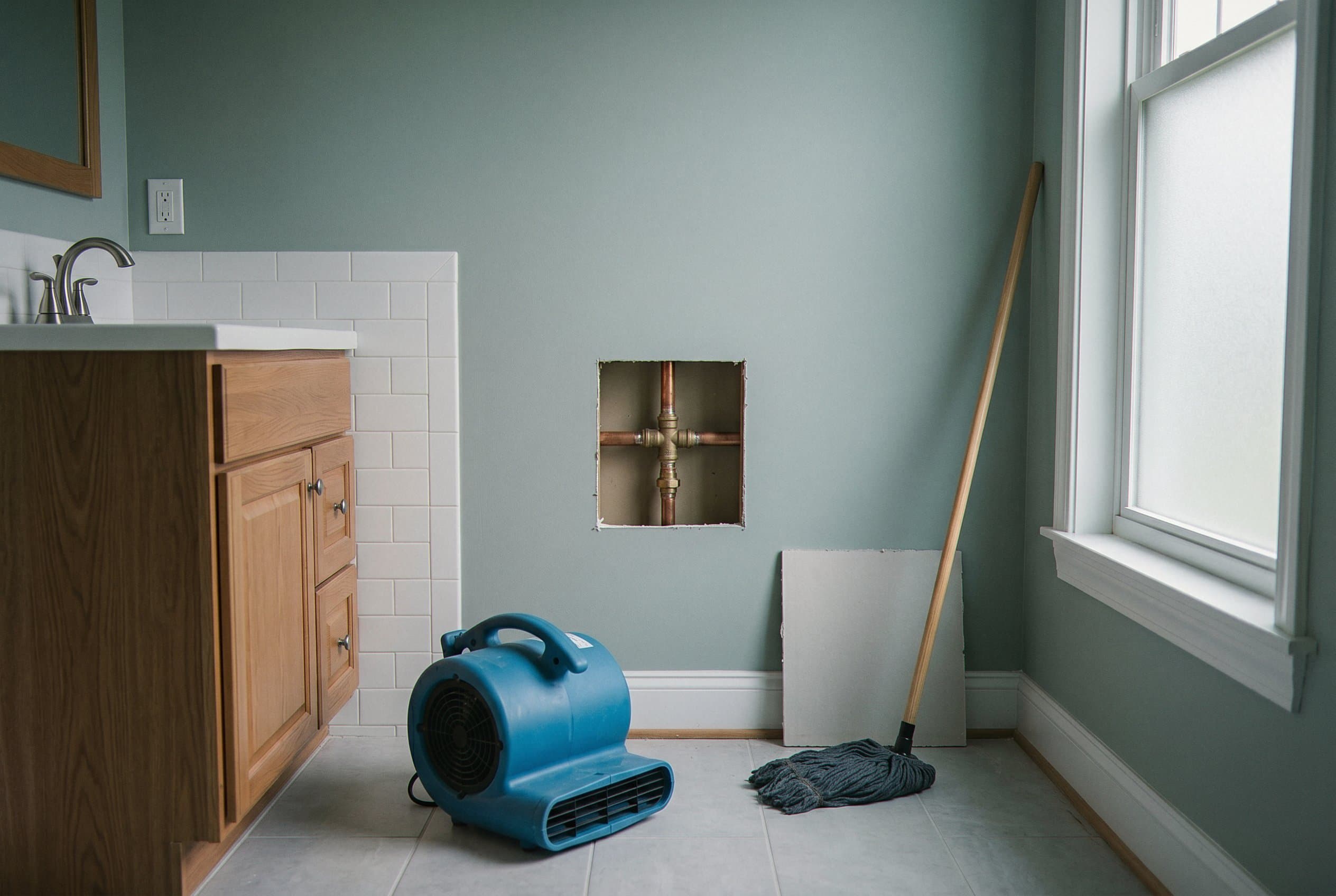
- We mark the exact spot so the repair stays small and clean.
- We move fast when a slow leak keeps quietly feeding the damage day after day.
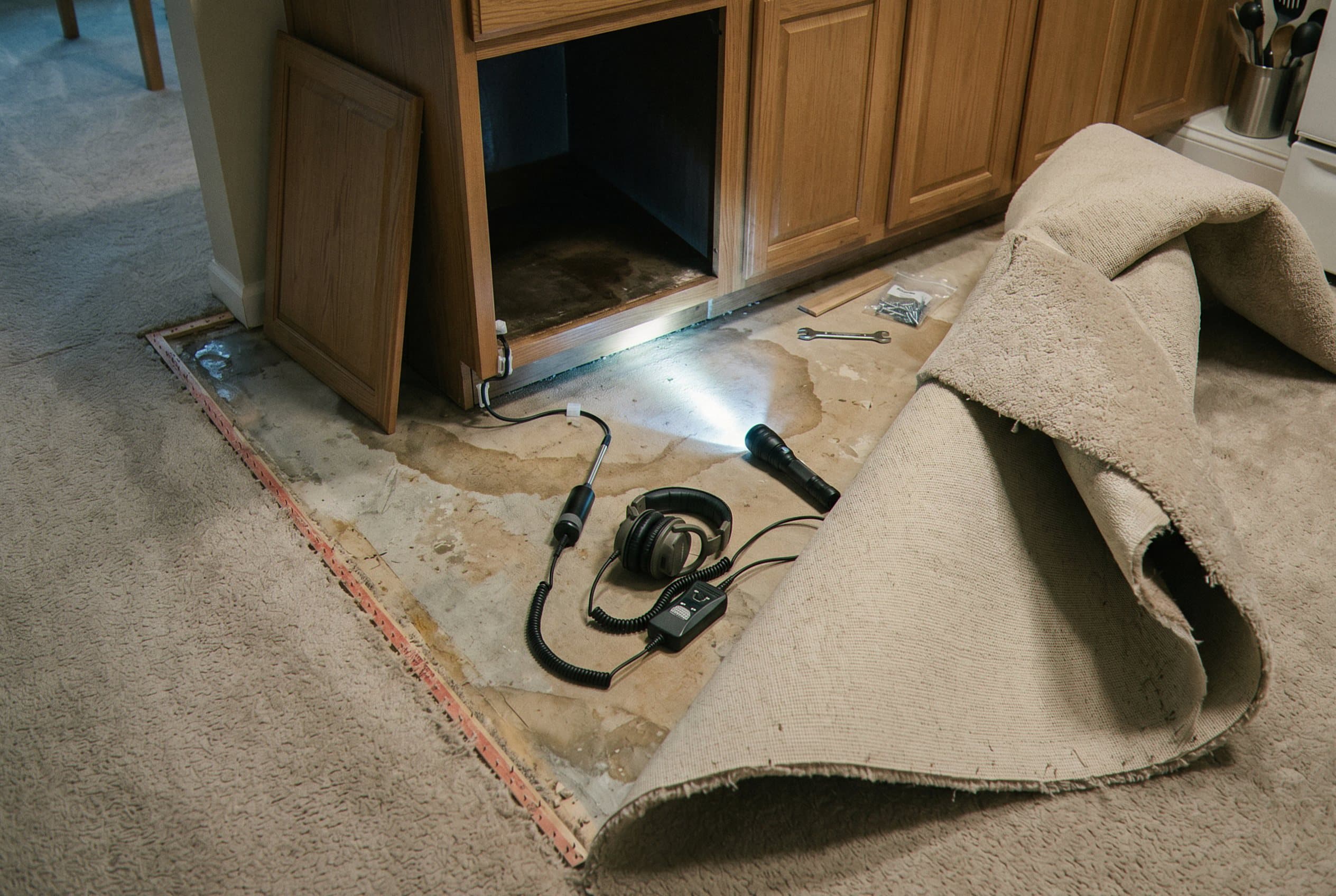
Leaks under a concrete slab call for a different read. The line runs below the floor, well out of reach of any camera, so we bring in acoustic listening gear that hears water escaping through the concrete and a careful pressure test that marks the break on the slab above. That keeps the opening tight and the concrete work light once the repair starts. We treat the rest of the house with the same patience. We check the irrigation lines, the water heater, the supply behind a toilet, and the hookups tucked behind a dishwasher. You hear it straight from us the whole way through. Whatever we turn up, we show you exactly where the water starts, what it has already touched, and what it takes to shut it down for good. No surprises. A small access cut beats a long demolition every time.
If you hear water moving with every tap closed, or one corner of the house simply will not dry out, reach out. We will come find the source, show you the exact spot, and walk you through the next step in plain words before any wall gets opened. The sooner we catch it here in Farmington Hills, the less of your home the water can take. Call us today and we will trace it down.